The light comes before the sun before the brightness of the sky. Soon, a cheetah mother is walking across open grass, unconcerned with the jeep that is running alongside her after thirty metres, and in a few minutes, she is sitting with her three cubs, one, two, and three, on the other side. You already have a 500mm lens in your hands that is following her at the moment. The shutter fires. This is the Mara of the Maasai, unscripted, unfiltered and unmatched anywhere in the continent.
A luxury wildlife photography safari in Maasai Mara is not a holiday, but rather a pilgrimage for professional photographers and serious enthusiasts. The ecosystem provides scenes that cannot be reproduced in any studio: predator hunts at break of dawn, the thundering rush and chaos of a wildebeest crossing the river and elephants silhouetted against a volcanic sky. Realizing those shots at a pro level, however, is not as easy as turning up and shooting them. It requires timing, placement and a team that gets your game. Here you will find all the information you need to plan a photography safari in the Mara, extending beyond the basic point and shoot safari.
What Makes the Maasai Mara the World’s Premier Wildlife Photography Destination
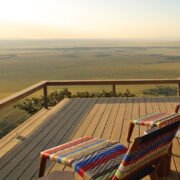
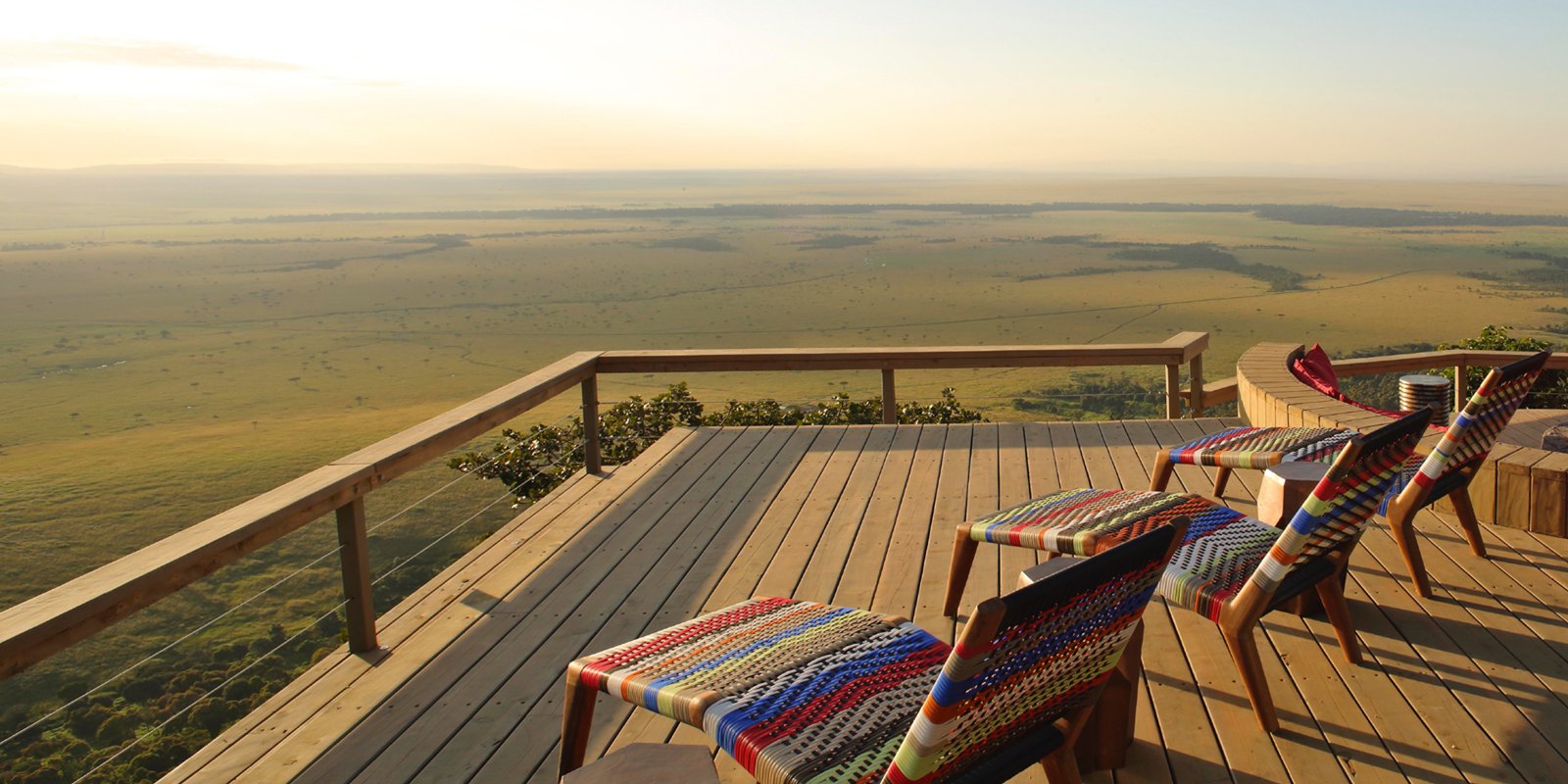
The Maasai Mara National Reserve, which is roughly 1510 km² in size, lies in the south-west of Kenya at an average elevation of 1500 m asl. That elevation creates a soft, warm, and focused light, which is what photographers journey across hemispheres to experience – a light that is golden with dramatic hours that last longer than anywhere else on the African Continent.
The Mara is the northern extension of Tanzania’s Serengeti ecosystem, and when combined with the Serengeti, one of the most biodiverse wildlife corridors on earth. It has one of the highest concentrations of big cats (lions, leopards and cheetahs) in Africa, and it has all of the Big Five (lion, leopard, elephant, Cape buffalo and black rhino). It implies genuine variety from a single location for the photographer. You’re not driving hours between sightings here, in the Mara, subjects can be seen in the first twenty minutes or less of a game drive.
Then there is the Great Migration. From July to October every year, an estimated 1.5 million wildebeest, with hundreds of thousands of zebra and Thomson’s gazelle, migrate from the Serengeti into the Mara in search of fresh grass. The Mara River crossings — where animals plunge into crocodile-filled waters — are among the most photographed wildlife events on Earth, and with good reason. Each crossing is unique. You can count on the chaos, noise, dust and light working in different ways each time.
There are also private reserves that surround the Mara that provide something the national reserve does not: an exclusive experience. There are four private conservancies along the Mara: Mara North, Naboisho, Lemek and Olare Motorogi. There are no limits on vehicles, and off-road driving and game drives after dark will be allowed. The conservancies have revolutionized the ability of photographers to shoot without the hindrance of a line of mini-buses.
The Best Time for a Professional Photography Safari in Maasai Mara
Timing a photography safari is not simply about chasing the migration. Each season in the Mara provides unique photo opportunities and by knowing each season, you can plan your visit to capitalize on the photos that are most relevant to you.
Peak Migration Season: July to October
The migration season is when the activity of the predator is incredible. Fat, active; working hard to feed cubs; opportunistic, visible – lion prides, cheetahs and leopards. The grass is tall and is easy to manage in mid-July. When the rains have subsided by September, the plains turn amber and the light is outstanding.
Shoulder Season: November to December and March to June
The short rains start in November, characterised by short afternoon showers that make the landscape bright and clean. Crowds thin considerably. The more the cats can roam freely, the better the chances of seeing them, and with no competing vehicles, the lion prides are more easily tracked. It’s a big deal for photographers who prefer an uncluttered frame, or for those who want to avoid the peak season.
The operators decrease the capacity during the long rains period which is March-May while others increase it, the green season has its supporters. Vulnerable, curious and photogenic, newborn animals are everywhere. The landscape suddenly becomes an utterly vibrant green. Migratory birds are in full colour. When the portfolio is covered with dramatic wildlife and iconic landscape, November to December or January to February is the ideal time, as there is an optimum number of visitors, lighting conditions and subject matter.
The Dry Season Advantage: January to February
The months of January and February are ignored, and are between two rain cycles and are some of the best months in the Mara. When the wildebeest herds are through the area, the grass is cut short, providing excellent sight clearance. Waterholes concentrate animals. Lions pride is laid bare on bare ground. Cheetahs hunt in open areas – where there is no tall grass to hide in. Photographers who are interested in predator behaviour as opposed to migration spectacle would probably find the dry season to be the most fruitful season of the year.
Gear, Vehicles, and Logistics: Setting Up for the Best Shots
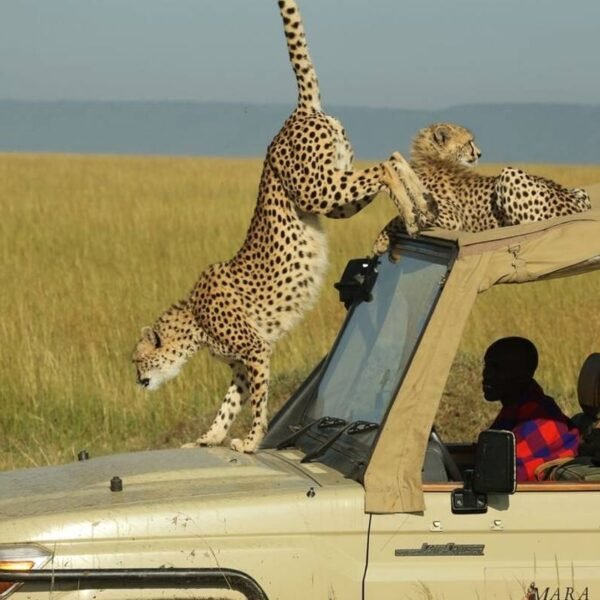
The operational base is what makes a photography safari so good. It’s the shot or not the shot depending on the vehicle, the guide and the camp position.
Choosing the Right Safari Vehicle
The standard enclosed Land Cruisers with a pop up roof are the norm all over the Mara and are quite functional. An open-sided vehicle, or a customised photography vehicle with bean bag mounts on the side is a worthwhile improvement for professional work. You gain lower shooting angles, faster repositioning, and no roof bar bisecting your composition at a critical moment. Some of the private conservancies allow open vehicles and the national reserve doesn’t; another reason to stay in a conservancy.
To conduct a Kenya wildlife photography safari, you need a guide who is not only knowledgeable about the geography of the park but also has an understanding of animal behavior. Ask your operator directly, do you have any experience with photographers working with you? Are they able to predict where the cheetah will be looking for prey and move to the appropriate location? A wildlife guide is not the same as a photography-specific guide—it’s not the same as arriving at a scene, but rather, arriving ahead of it.
Essential Camera Gear for Maasai Mara
The Mara is dominated by long lenses: A 500mm or 600mm prime lens is the workhorse here, while a 70–200mm f/2.8 lens is used for closer encounters and environmental portraits. A teleconverter will increase the reach without extra weight. Bring duplicate bodies. Dust, humidity and a sudden rain shower are unavoidable and if you find you don’t have a backup when the migration gets underway, it’s a bad time.
A beanbag is used in a vehicle instead of a tripod – rigid tripods are impractical in a moving jeep and slow you down at the moment. For longer lenses when shooting from a static position a gimbal head on a carbon fibre monopod is good. Carry extra memory cards, and a portable hard drive that’s fast for nightly backups. Tented camps will usually have access to power but please check with your power operator before you travel.
Post-Processing in Camp
Today, the best luxury photography camps have connectivity, not only a generator socket but the charging stations are reliable, and some have a dedicated editing lounge, while others have strong Wi-Fi to tether your laptop. If you plan to review, it’s important to include this in your itinerary if you need to do post processing review. Stawi Adventures can help you decide which camp(s) in the conservancies can provide this arrangement as standard fare.
Private Conservancies vs. the National Reserve: Where Photographers Get the Better Deal
This is the thing that makes an average photography trip a great one, and it typically comes back to the conservancies.
The National Reserve
The 1,500 km2+ Maasai Mara National Reserve is an extraordinary wildlife area, with such vast size that days can pass by and you may never have to cross a track you have taken before. However, it has rules which restrict the photography experience in meaningful ways. The vehicles can only be driven along designated tracks. Game drives end at 6:30pm. Twenty or more cars can arrive at one shot at the same time.Twenty or more cars come per cheetah kill or per leopard in a tree. You could make them technically very good but compositionally less than stellar because of exhaust plumes and roof hatches in the background.
Private Conservancies
The private conservancies around the Mara are leased to communities and have in place very strict rules which cap the number of vehicles in each conservancy and are part of the community lease contracts (e.g. Olare Motorogi, Mara North, Naboisho, Ol Kinyei etc.). Off road driving is used as a normal practice and your guide can park the vehicle at the perfect angle, no matter where the track is located. The night drives start after 6:30pm and you can go for walking safaris with armed rangers. Under these circumstances, the images are always cleaner and more creative.
We also intentionally size our conservancy camps smaller, usually 6 to 12 tents, and therefore have a less transactional feel to the experience. Your leopard guide understands the area where the resident female leopard roams. They are aware of which termite hill the cheetah coalition likes in the morning. That kind of knowledge only gained through years of experience from camp guide to camp guide is invaluable, far more valuable than any piece of camera equipment.
If you also want to photograph some of the landscapes of northern Kenya, then you will find the 6-Day Samburu, Ol Pejeta & Lake Nakuru Safari an interesting contrast with the Mara as the reticulated giraffe, Grevy’s zebra and gerenuk of Samburu are subjects you simply cannot photograph anywhere in the Mara ecosystem.
Planning Your Safari with Stawi Adventures
Stawi Adventures is an East Africa luxury safari company based in Nairobi that specialises in custom and personalized safaris in Kenya. For photography clients, this means starting with a discussion of your portfolio, your interests and what you’ve yet to shoot. The program is designed around those answers, not a rigid, ‘what is normal’ schedule.
5-Day Premium Safari Adventure — Mara Big Cats, Naivasha & Amboseli offers a great groundwork for the Great Migration that can be extended and modified for serious photographic activity. Stawi’s staff is connected with camps in the private conservancies and can find a guide who has collaborated with the professional photographers and understands the needs of the craft.
Sustainability becomes a part of the manner in which Stawi operates. One of the most powerful conservation tools in Kenya is the conservancy model of protection: the community landowners derive direct cash from the wildlife, so why sell out to farmers? When you book through Stawi Adventures, your photography safari actively contributes to that system.
Private vehicle hire options, customised time available for game drives and fly-in from Wilson airport in Nairobi, which takes about 45 minutes to reach the Mara airstrips, are all available. By car, it will take about five to six hours via the B3, which has come a long way in recent years.
Practical Tips & FAQ for Photography Safari Planning
How far in advance should I book a luxury photography safari in the Maasai Mara?
Please plan peak migration season safaris (July – October) to be booked at least 8 – 12 months ahead and ideally a year ahead of time, for August or September. Photography-related trips require the greatest amount of advance planning. Shoulder season bookings can be made 3-4 months in advance.
Do I need a visa to visit Kenya for a safari?
All nationalities are eligible to apply online for the visa through evisa.go.ke for USD 50, which processing takes 3 working days. Visa-free for citizens of the EAST AFRICAN COMMUNITY.
What vaccinations and health precautions are required?
If the country of origin is an endemic area, then vaccination for yellow fever may be required. Malaria prophylaxis is strongly recommended – see travel clinic 6 weeks before travelling. In summary, a medical evacuation travel insurance is essential.
What camera equipment can I carry on a light aircraft to the Mara?
Luggage are limited to 15kg (including carry-on) and soft bags are only accepted by the carriers. Heavy gear? Take a private aircraft.
Is the Maasai Mara suitable for photographers who are not wildlife specialists?
Landscape and cultural photography are equally rewarding in the Mara, with its sweeping plains, diverse terrain and access to Maasai communities making it a destination for any type of photography.
Conclusion
The Maasai Mara is not simply a wildlife destination. For photographers, it is one of the few places on Earth where technical skill, local knowledge, and genuine unpredictability converge to produce images that could not have been made anywhere else. The migration crossings, the big cat concentrations, the quality of the light — these are not exaggerated for marketing copy. They are the reason professional photographers return to the Mara, year after year, to find something they have not yet captured.
Planning a luxury wildlife photography safari in Maasai Mara is a process that benefits enormously from working with an operator who has done it many times and who treats your creative goals as the starting point, not an afterthought. Ready to design your ideal Kenya photography expedition? Contact Stawi Adventures and let us build a journey around your lens.