Luxury Maasai Mara Safari: Your Complete Guide to the Great Migration & Private Conservancies
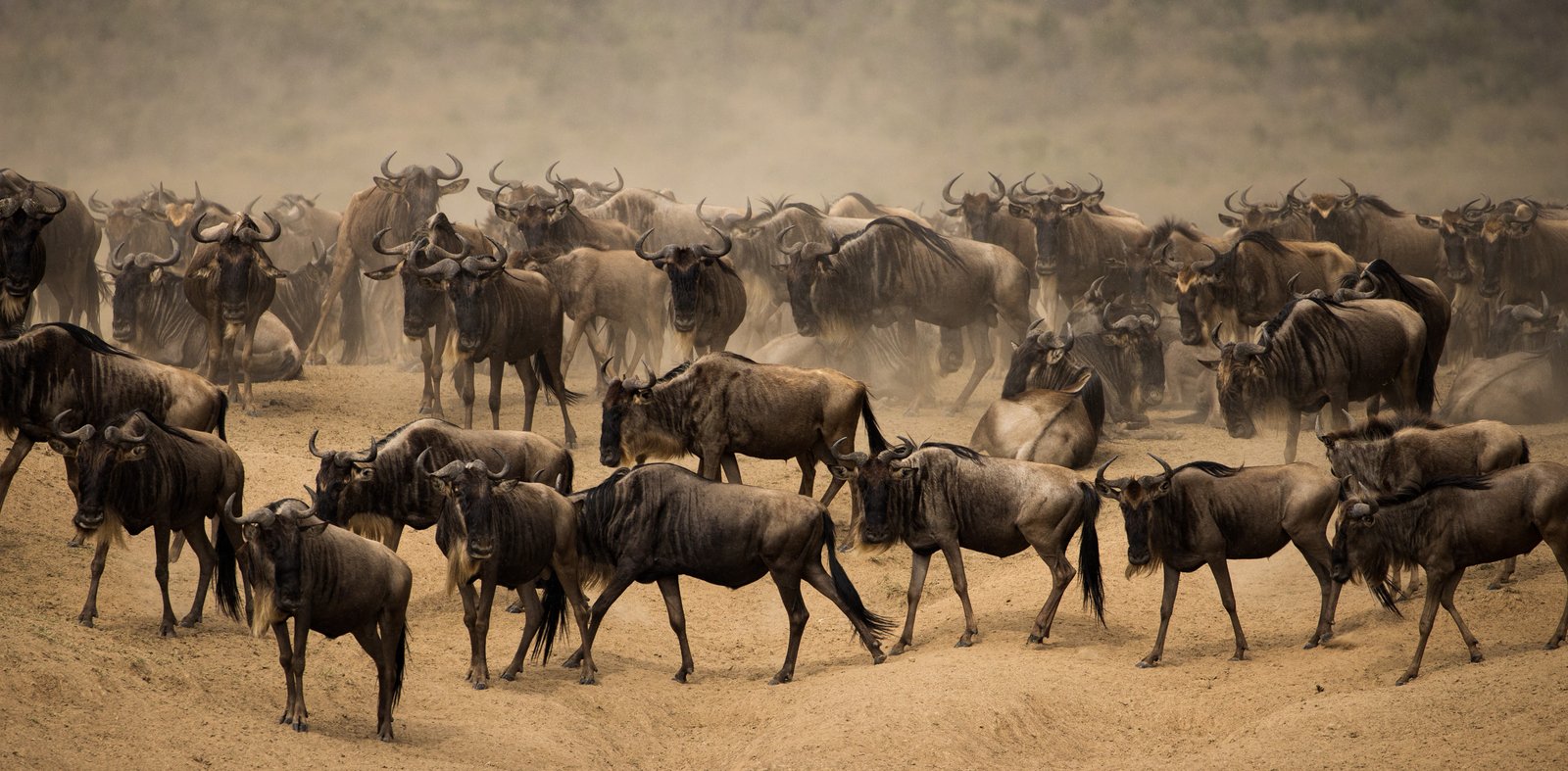
The sound reaches you before the sight does. Low rolling thunder, like a wave that rises until you see the Mara River, with ochre in the hot July sun. Thousands of wildebeest together, shoulder to shoulder, pushing towards water they can’t go over without risking their lives. Here’s the Maasai Mara at its finest. This wildness is not tempered by a luxury safari in the Maasai Mara, but is brought to you inside it, with all the comforts of a luxury package.
This guide explains how to plan this incredible Kenya safari: the best time to see the Great Migration, how private conservancies can make a trip extraordinary, what “luxury” means in reality when in the Mara, and how to get from landscape to landscape on a fly-in trip that makes it easy. The Maasai Mara is a place of return and can be enjoyed by first-time visitors or those looking for a deeper experience, if you plan properly.
What Makes the Maasai Mara the Premier Safari Destination in Kenya
The Maasai Mara National Reserve covers approximately 1,510 square kilometres of open savannah in southwestern Kenya, but its influence stretches far beyond its official boundaries. It is part of one continuous ecosystem with Tanzania’s Serengeti, the largest and most continuous wildlife migration route in the world. It is the continuity that is the key to everything.
The topography of the Mara is unique in that it is the presence of the sinuous Mara and Talek rivers that interrupt the wide grassland plains, the presence of acacia woodlands and the rocky outcrops called kopjes that result in an extraordinary density of resident wildlife year-round. All the Big Five (lion, leopard, elephant, buffalo and black rhino) have been seen. The Mara is one of the most reliable places in Africa to track all five in a single day.
The quality of safaris, Kenya Mara guiding, the intimacy of the Mara camps, and the access you are granted in the private conservancies that surround the Mara are what make it so special. In this place, game drives are not as dense as they are in the main reserve, and night drives are allowed, and walking safaris get you lost in the landscape and transform the concept of driving.
The Maasai are also the native inhabitants of the area of the Mara. A well-planned tour that fits into this guide allows a visitor time with the Maasai people as a real cultural exchange and nothing else.
Best Time for a Luxury Maasai Mara Safari: Seasons Explained
There is no bad season in the Mara. They each offer a different flavour, and safari season in Kenya is all about what you want to do.
Peak Migration Season: July to October
This is the time-frame when most visitors imagine the Mara. The Great Migration – when more than 1.5 million wildebeest, 200,000 zebra and hundreds of thousands of gazelle journey north from the Serengeti to Kenya – is at its most dramatic from late July through to September. The Mara River crossings (when they occur) are truly one of the most amazing wildlife spectacles on earth.
The best camps are in high demand during this time frame. The July – October season is one of the most popular and has premium tented camps and private villas selling 9 to 12 months in advance across the Mara Triangle. If you’re looking for this feature, make sure you do your research beforehand.
Shoulder Season: November and June
Migration starts to increase in the south of the reserve during June, and the herds enter Kenya from Tanzania in late June/early July. The short rains occur in November, typically as short afternoon rains that clear up to spectacular skies and newly washed plains. Both months are a great deal of money, with rates at luxury conservancy camps being reduced by 15-25%, game viewing is still excellent, and the reserve is somewhat quieter.
The Green Season: December to March
Outside of the long rains (April to May), the green season (December to March) switches the Mara landscape to a photogenic and lush site as hundreds of baby gazelle, zebra foals, and wildebeest calves are born. Predator action is intense. More than 450 species of birds are found in the Mara, its richest. And the private conservancies have virtually no other guests. To those who like to capture wildlife in their photographs and prefer solitude over show, this season is underrated altogether.
Explore all our Kenya itineraries across seasons on our safari tours page.
Private Conservancies in Kenya: Why They Transform Your Safari Experience
The most important development over the last 20 years in luxury safari Kenya was the development of the private conservancy model. Knowing what conservancy is and why it’s important alters your plans.
What Is a Private Conservancy in Kenya?
A private conservancy in Kenya is a piece of land, usually leased from the local Maasai landowners, outside the confines of the national reserve that is managed for wildlife and conservation. Maasai communities receive direct income in exchange for leasing their land instead of turning it into agricultural use. Fenced off from the conservancy, wildlife is free to roam the reserve.
Most importantly, conservancies have a cap on the number of camps and vehicles in use within the conservation areas. While a conservancy may let any number of vehicles in (up to dozens at one cheetah sighting) at the main Maasai Mara Reserve, a conservancy might have as few as two or three vehicles for its own guests.
Top Private Conservancies Adjacent to the Maasai Mara
The most popular private conservancies around the Maasai Mara National Reserve include the Olare Motorogi Conservancy to the north, the Mara North Conservancy and the Naboisho Conservancy. Camps situated in these regions, such as Angama Mara, Mara Plains Camp, Sand River and Kicheche Bush Camp, routinely deliver some of the most intimate and relaxed wildlife experiences in East Africa.
Inside the conservancies, you can join guided bush walks at dawn, follow lion prides on foot at safe distances, accompanied by an experienced guide, and drive at night using spotlights to see the leopard hunt, or simply sit quietly without a car in sight for miles, while it does.
Fly-In vs. Drive-In to the Mara
Flights to Maasai Mara airstrips (Ol Kiombo, Kichwa Tembo and others) from Nairobi’s Wilson Airport take about 45 minutes. There are several flights daily operated by both Safarilink and Air Kenya. From Nairobi, it is, by contrast, 5-6 hours by improved but varying roads. In a luxury package, the most common way to get to the airstrip is via a fly-in, which means you will be in the field that same day and arrive at the airstrip in good shape to start your afternoon game drive.
See our full range of private safari experiences in Kenya, including fly-in itineraries built around private conservancy access.
What Luxury Looks Like on a Maasai Mara Safari
Luxury in the Mara has almost nothing to do with marble and mood lighting. It is measured in a different currency: the quality of your guide, the exclusivity of your wildlife access, the warmth of a camp that has been designed for this landscape rather than imposed upon it.
Accommodation: Tented Camps and Private Villas
The permanent tented camps in Kenya’s Mara area are canvas and timber, welcoming the night breeze and offering the sounds of the bush right within the room, the best luxury safari lodges in Kenya. Expect king beds with handcrafted ironwork frames, outdoor copper bathtubs positioned to face the plains, private decks where your morning coffee arrives before first light, and solar-powered systems that keep the footprint minimal without sacrificing comfort.
On the high-end of the luxury scale, private villas are available in conservancy camps for those who want absolute privacy: Your own vehicle, guide, chef, etc. These rates start at approximately USD 2500 per person per night and cover all meals, transfers within the property and all activities.
Dining and Experiences Beyond the Game Drive
The best camp experience in the Mara has evolved far from the typical game drive and dinner package. Silver is a common table setting in luxury properties, with a three-course meal arriving at dusk and lanterns lit at the table in a long grass setting. So are hot air balloon rides over the plains in the early morning, which cost USD 450–550 per person, and are about an hour long, ending with a champagne breakfast in the field.
Beyond wildlife, there is cultural immersion with the Maasai, visiting a community boma, tracking wildlife with a Maasai elder and an understanding of the conservation economics that keep all of this going. Naturalists, historians and storytellers make the best guides in the Mara.
Wildlife Photography Safaris
This Kenya wildlife photography safari in the Mara and its conservancies provides conditions that are hard to outdo in Africa. Classical, simple compositions are created on the open plains. The sun at the Mara’s latitude, just south of the equator, at the beginning and end of the day, is fantastic. Private Conservancy Access allows you to park your vehicle for light and angle without having to deal with other road users.
Photography-specific safaris feature specialist guide photographers, modified vehicles with camera mounts and bean bag rests, and safaris scheduled around wildlife events, the migration crossings, the calving season and the November raptor migration.
Plan Your Luxury Maasai Mara Safari with Stawi Adventures
Stawi Adventures is a luxury travel firm that started out with a simple concept: A safari that is all about you, and it has made its home in Nairobi. Now, not a programmatic trip extracted from a brochure, but a trip that is yours and yours alone; one that allows you to do what you want to do, even if it involves you looking for lions at last light or being in a private conservancy or just somewhere huge and slow.
We have established long-term relationships with the camp managers, guides and Maasai community leaders, and our team has the experience to navigate multi-destination Kenya itineraries without a hitch. We travel across the Maasai Mara ecosystem, as well as Amboseli, Samburu, and Laikipia, and design trips to reflect Kenya’s entire spectrum.
We have also designed honeymoon safaris, family safaris and Kenya wildlife photography safaris experiences that are beyond the normal itinerary and where details are critical. Once you’re ready to start planning, our team is ready to listen. Start at this point. Let us know your dates, your group, and what you’re looking for, and we will construct the rest.
Useful hints and useful questions
Practical Tips & Frequently Asked Questions
How far in advance should I book a luxury Maasai Mara safari?
When traveling in the height of the migration season (July – October), we strongly recommend booking 9-12 months in advance. The top-tier private conservancy camps that have limited beds and lots of reservations can be full for ideal weeks in August and September in mere days of publishing their booking calendars for the coming year. When travelling outside of peak seasons, a minimum booking of 4-6 months is usually required, but some camps are favoured by booking early.
Do I need a visa to visit Kenya?
The Electronic Travel Authorisation (eTA) system was implemented in 2024 to replace the visa-on-arrival procedure in Kenya. The majority of countries, such as the United States, the United Kingdom, countries in the EU and Australia, require a pre-travel application online through the official Kenya eTA portal. There is a fee of USD 30 per person, and the usual time for the approvals to arrive is within 72 hours. Please remember to always check the current requirements with the specific nationality associated with your passport before booking, as requirements can change.
What vaccinations and health precautions are required?
If coming from a yellow fever endemic country, you must be vaccinated against yellow fever before you travel to Kenya. There are vaccines for Hepatitis A and Typhoid available and are usually recommended. Highly recommended malaria prophylaxis for the Maasai Mara region. Advise at least 4-6 weeks before travelling to your travel health clinic or GP about the options available, such as Malarone (atovaquone/proguanil) or doxycycline. Bring a good insect repellent and apply it regularly, especially during dawn and dusk.
What should I pack for a luxury Maasai Mara safari?
Packing light is a really great thing to have on a fly-in safari, and most scheduled light aircraft in Kenya have a soft-sided, 15 kg weight limit. In addition to this restriction, there are some items that are essential:
- Avoid white, bright colors, and camouflage; wear neutral (khaki, olive, tan) colored clothing
- Very light layers for early morning game drives – these can be very cold even in July!
- Sun protection sunglasses and a hat with a wide brim in open vehicle game drives.
- The sun is very strong at any time of the year around the equator, requiring high-factor sunscreen and lip protection.
- A headtorch (torch) to help you find your way around camp paths at night.
- Any prescription medications in carry-on luggage, copies of prescriptions
What is the cost of a luxury Maasai Mara safari?
Luxury conservancy camps in the Maasai Mara ecosystem can range from USD 800-2,500+ per person per night (all inclusive, including all conservancy/park fees, all meals and all game drives). It is probable that the overall cost of a five-night tour for two with return flights from Nairobi, conservancy costs, and a hot air balloon flight will be in the region of USD 10,000 – 18,000. Stawi Adventures plans trips in this range or higher. Contact us for a tailored quote based on your specific travel dates and preferences.
Your Maasai Mara Safari Awaits
One of those rare areas where the photographs don’t prepare you for what you will see. The size and scope of the landscape. The quality of the quiet time between game sessions. The light is special at 6 am when your guide pulls over and shows you a leopard you otherwise would never have spotted. These things accumulate into something that stays with you.
A planned luxury Maasai Mara safari with appropriate conservancy access, a suitable camp and a trip that allows for the unplanned isn’t just a holiday. It reorients your sense of what the natural world is capable of.
Ready to plan your Kenya journey? Contact Stawi Adventures today and let our team design a bespoke safari built entirely around you. Browse our full portfolio of Kenya safari tours and start imagining where you’ll be this time next year.

Recent Posts
Luxury Wildlife Photography Safaris in Maasai Mara for Professionals
Luxury Maasai Mara Safari: Your Complete Guide to the Great Migration & Private Conservancies